Role: Product Designer — UI & Researcher (freelance)
Timeline: May 2022 — 2 weeks
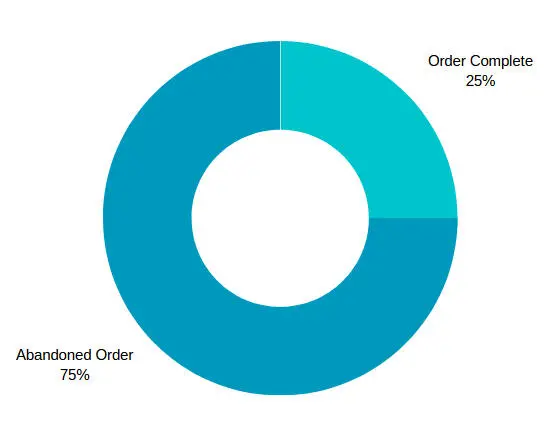
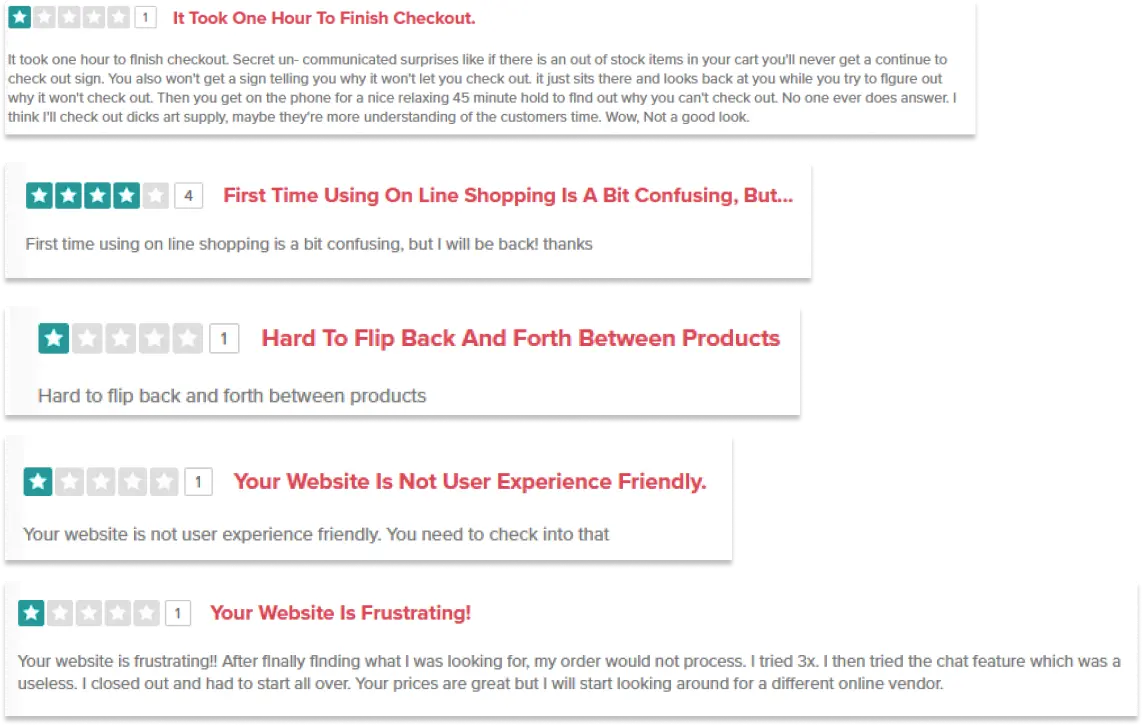
Jerry's Artarama is an art supply retailer celebrating 54 years in business, but their online checkout was costing them customers: 75% of online shoppers abandoned an order in the past quarter, and feedback called the process "too long and complicated."
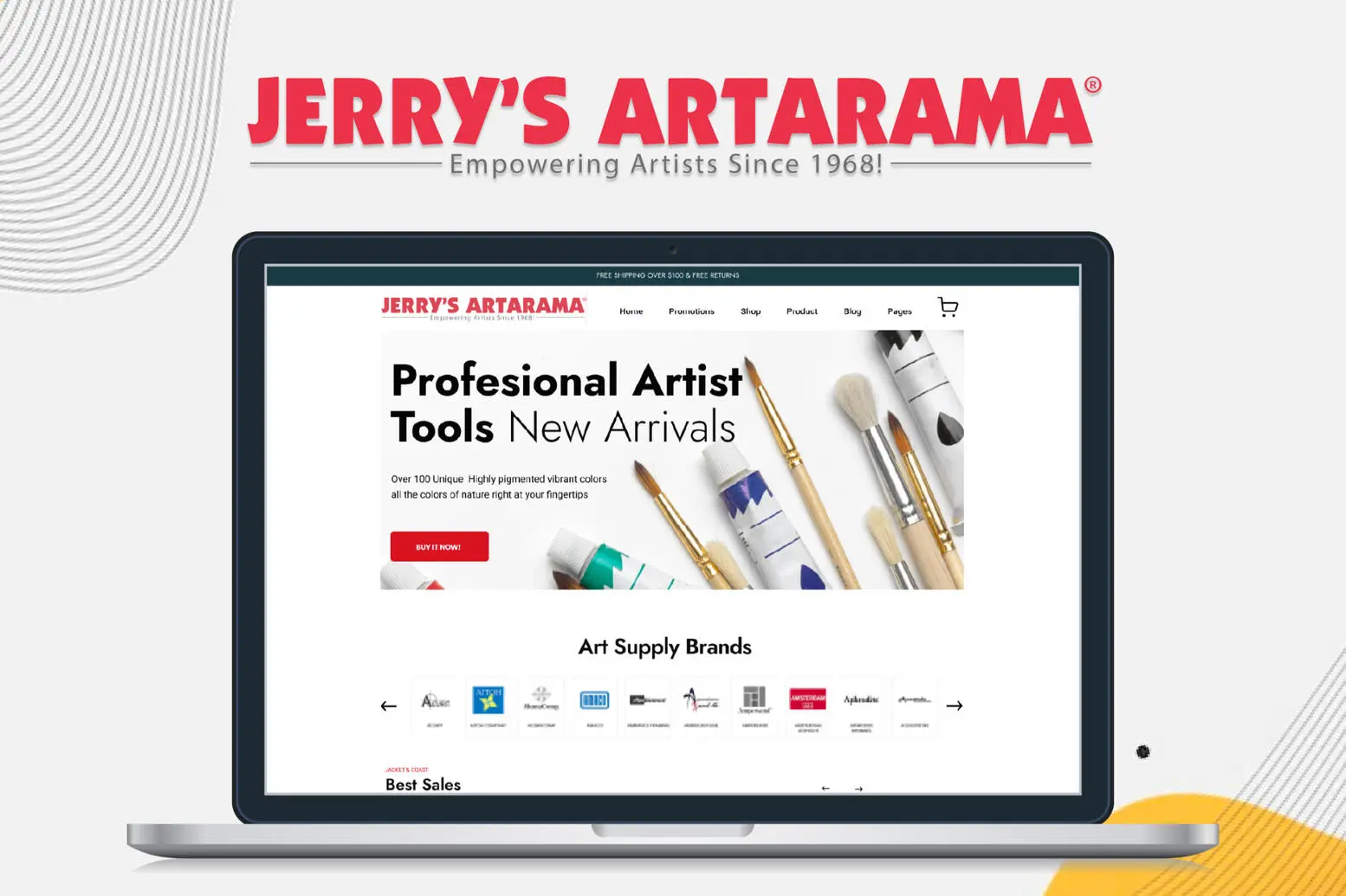
Research & Competitive Analysis
The number that framed the whole project: 3 out of every 4 online shoppers left without finishing their order.
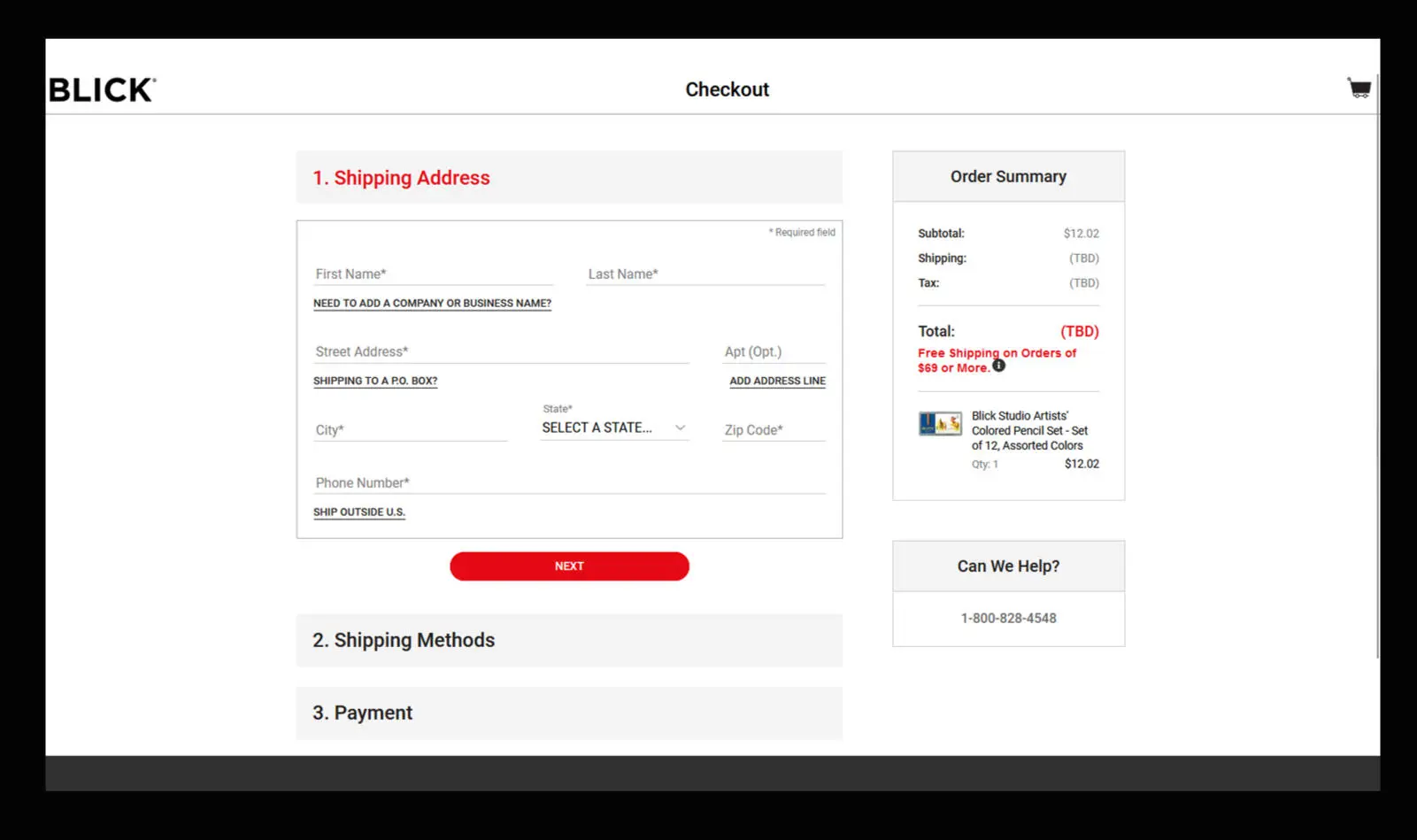
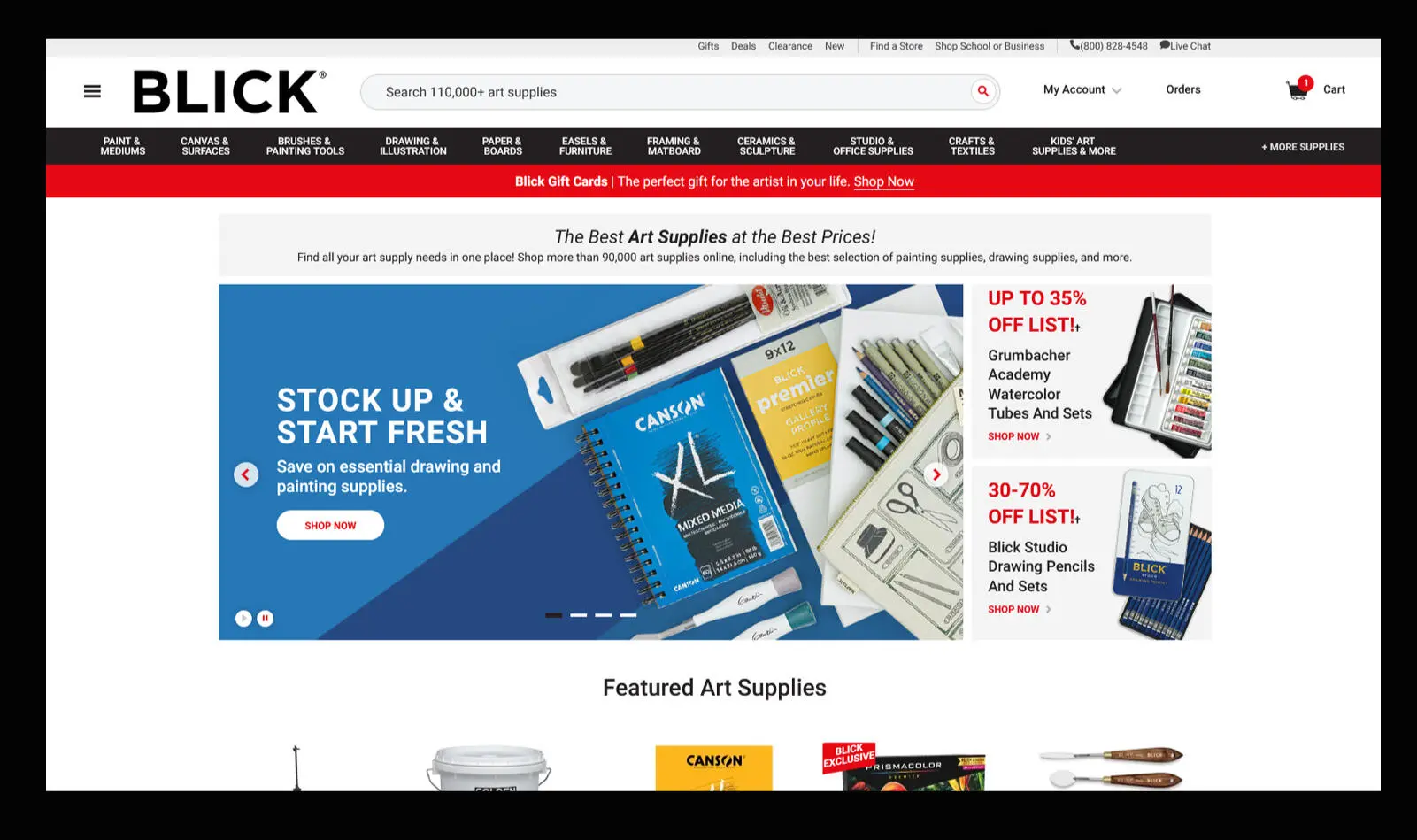
I compared Jerry's Artarama against three competitors — BLICK, Utrecht and Cheap Joe's — and read through real user reviews to find the recurring usability pain points behind that number.
A close look at BLICK's own checkout and homepage showed what a more guided, step-by-step flow could look like.
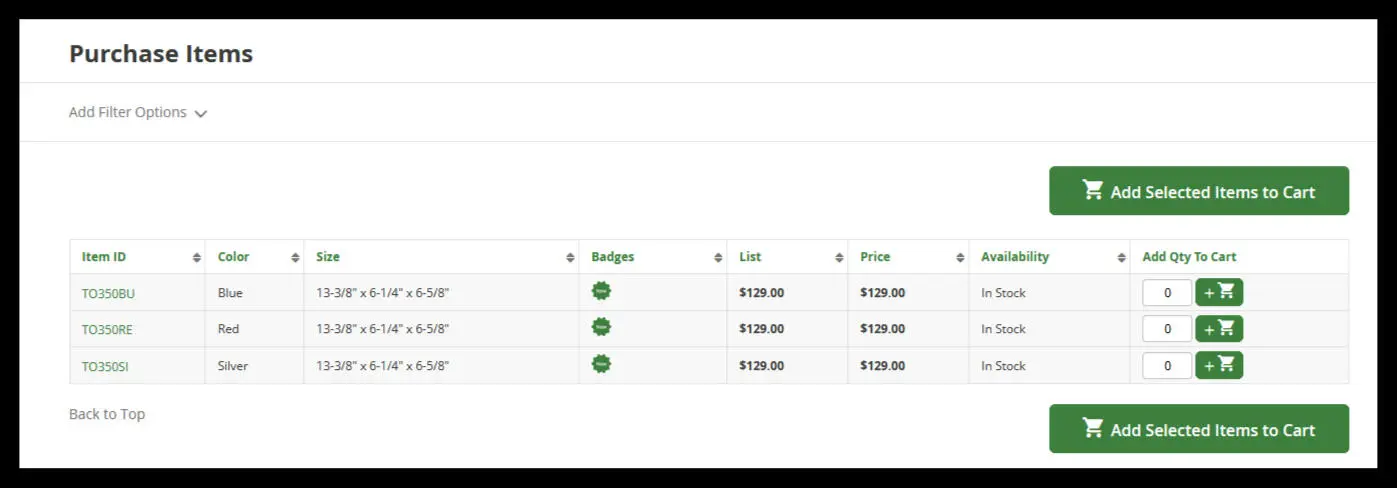
Other retailers also handled bulk quantity selection better than Jerry's did at the time — a pattern that fed directly into the quantity-control fix below.
Personas
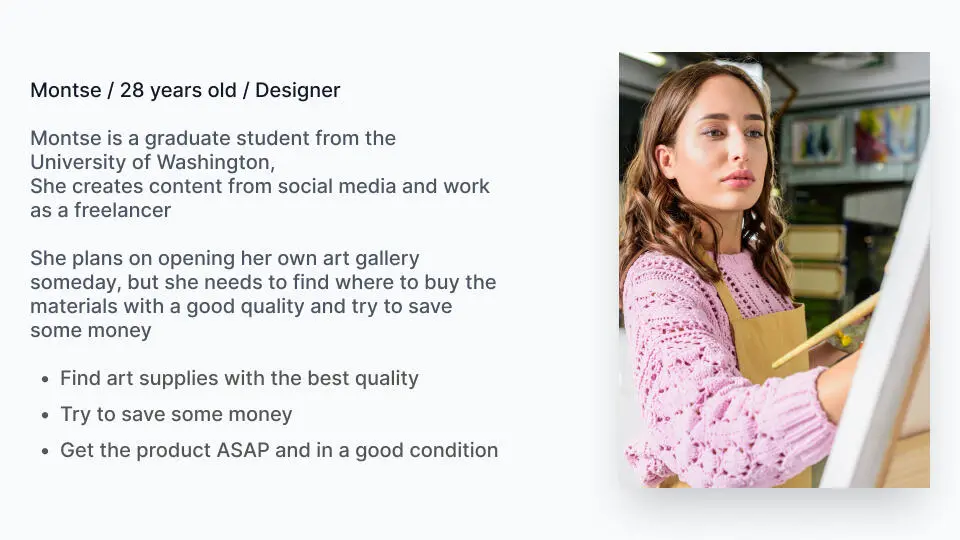
Two personas came out of the research, representing the two main types of shoppers the redesign needed to serve: someone buying for themselves on a budget, and someone buying supplies for a group.

Design Process
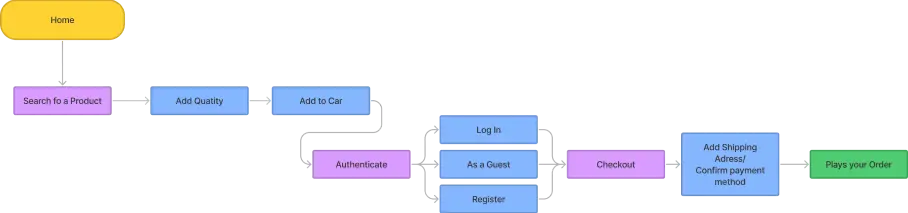
I mapped the primary purchase flow first — search, add quantity, cart, authenticate, checkout, place order — to see exactly where the friction was piling up.
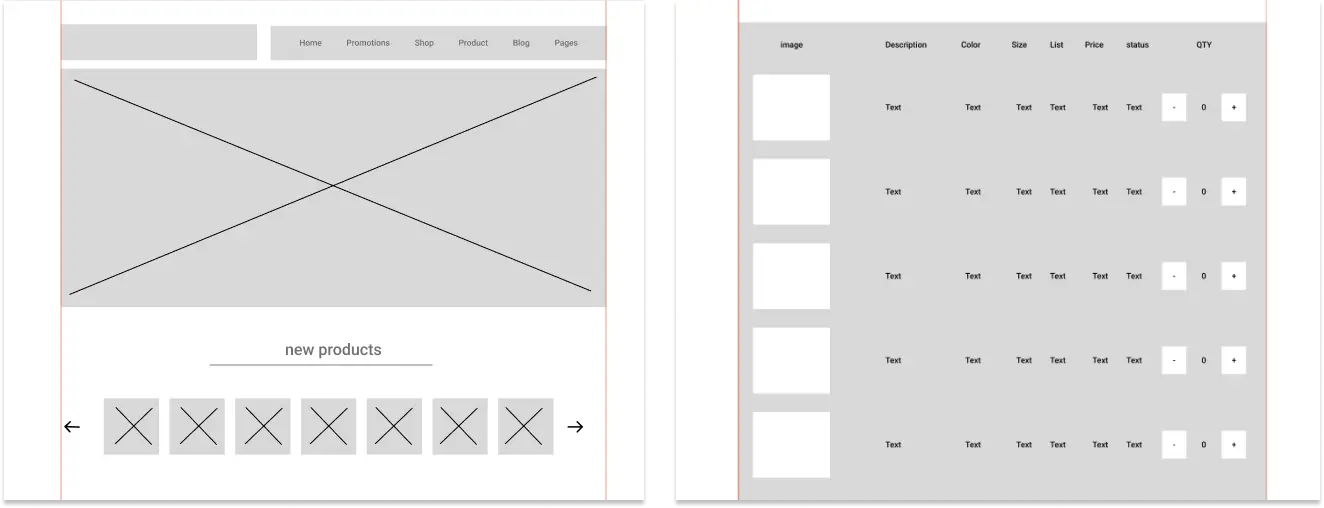
Low-fidelity wireframes came next, focused on the homepage layout and a clearer purchase-items table with inline quantity controls.
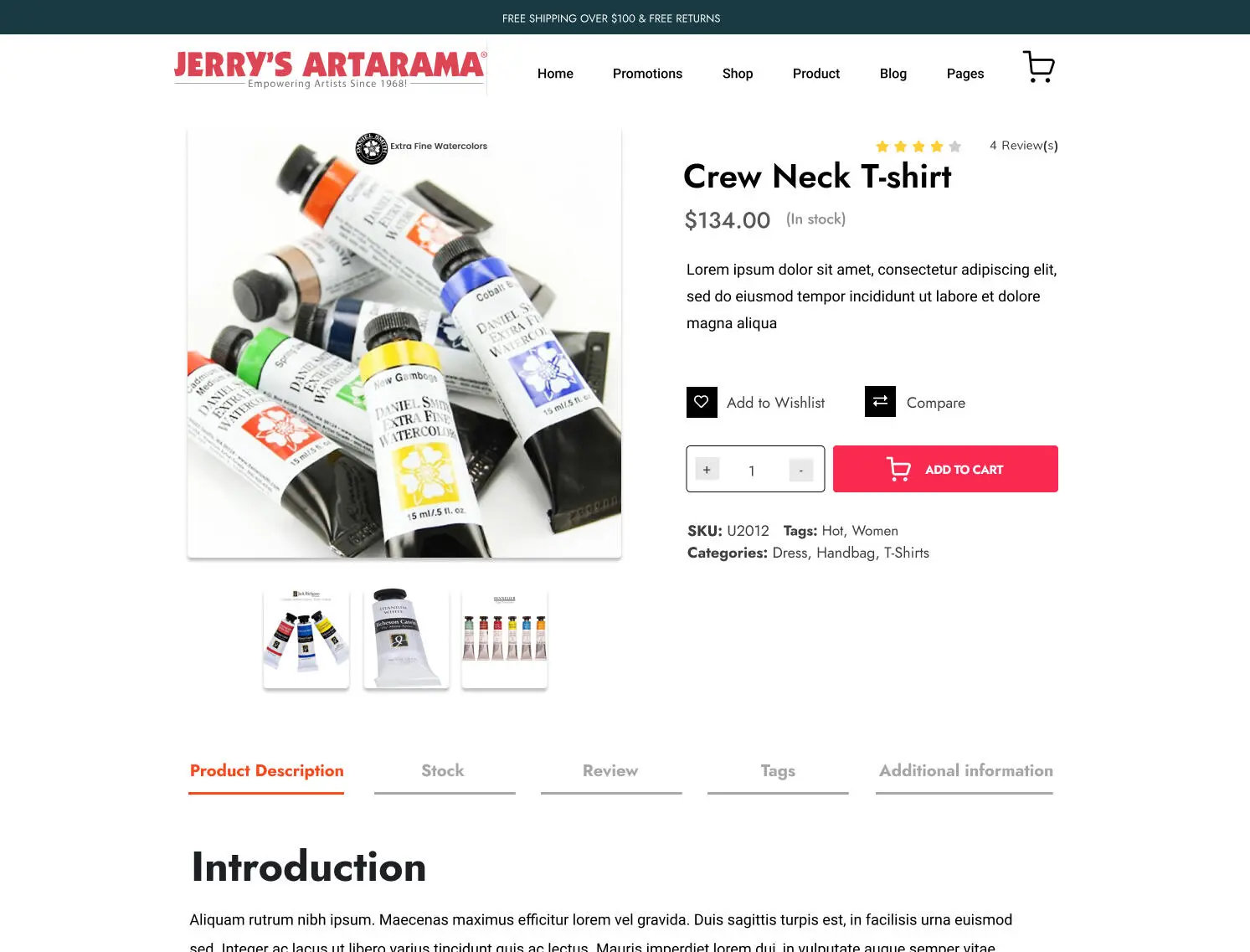
Then the high-fidelity product page — built around a simpler, more guided purchase path.
Key Findings & Solutions
The research pointed to three concrete fixes:
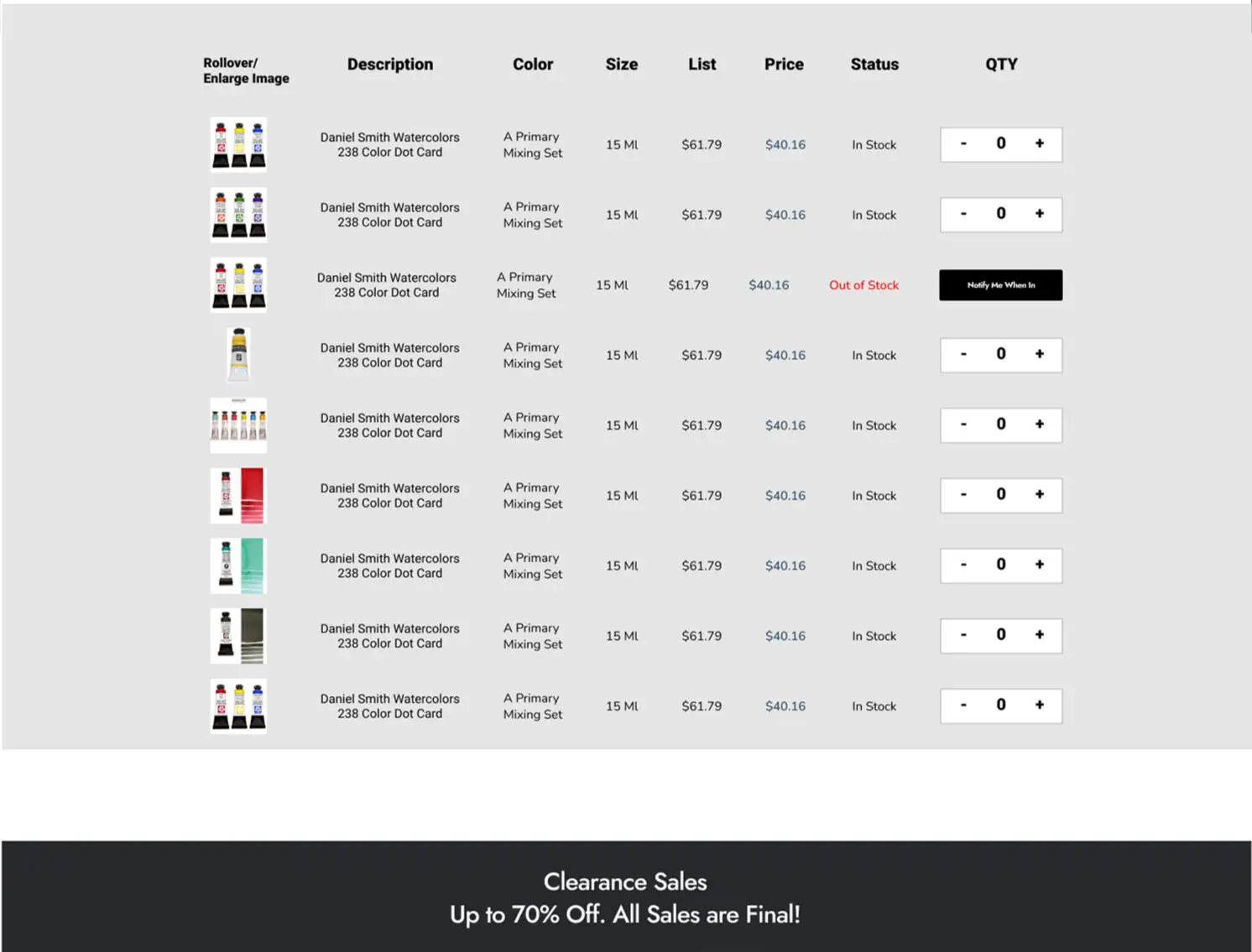
Navigation was simplified to cut through a cluttered interface, inventory control buttons made quantity selection direct instead of buried in a form, and checkout itself was streamlined from five steps down to two.
Validation
The high-fidelity prototype was tested with 8 users over Zoom. Testing confirmed users could complete purchase tasks efficiently with the redesigned flow.